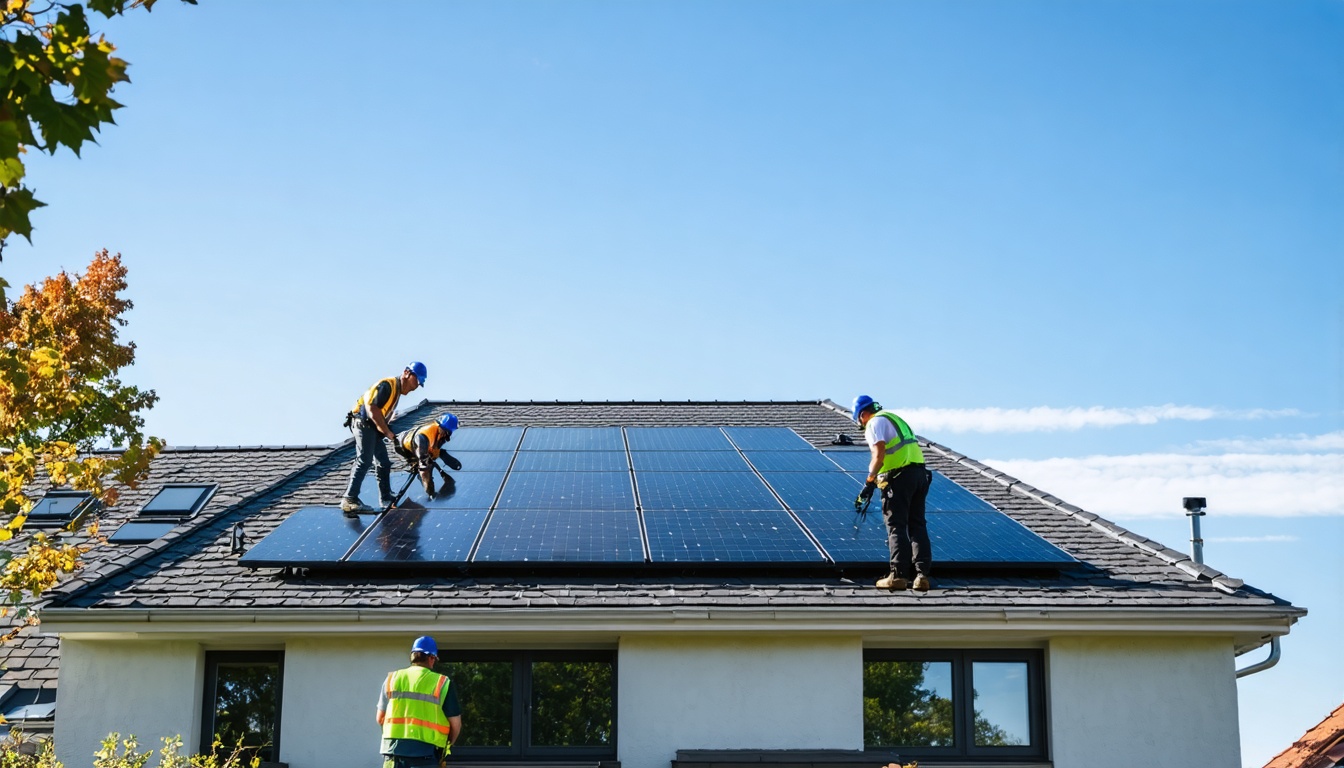
Solar Ready Roof Upgrades That Matter for Homes in the United States
When considering an upgrade to a solar ready roof, it is important to understand the practical implications and benefits of this decision. A solar ready roof provides a suitable surface and structural capacity to accommodate solar panels, which can lead to reduced energy costs and potentially increase the property's market value. To determine if a roof is truly solar ready, several key factors must be assessed. First, the structural integrity of the roof should be evaluated to ensure it can support the additional weight of solar panels. This often involves a professional inspection to identify any needed reinforcements. Additionally, homeowners should be aware of local regulations and zoning laws that may affect the installation of solar panels. Some areas have specific requirements regarding roof angles, materials, or spacing, which can impact the overall installation process. Researching any relevant incentives for solar energy can also provide financial benefits, as many states and municipalities offer programs to assist in the cost of solar installations. By paying attention to these considerations, homeowners can make informed decisions about upgrading to a solar ready roof while minimizing the risk of unforeseen costs or regulatory hurdles in the future.
Assessing Roof Suitability for Solar Panel Installation
Assessing the suitability of a roof for solar panel installation involves a detailed evaluation of various critical factors. Important considerations include the roof's orientation, slope, and potential shading from surrounding structures or trees.
In general, roofs that face south and have a slope ranging from 15 to 40 degrees are regarded as optimal for solar energy capture, particularly in urban areas like Brooklyn.
It is essential to conduct an inspection of the roof to identify any obstructions that may create shadows on the solar panels. Such shading can notably diminish the panels' ability to generate electricity effectively. Additionally, the structural integrity of the roof must be assessed to ensure it can bear the weight of the solar array for a minimum lifespan of 20 years.
Should the roof require enhancements to support the solar installation, these upgrades can increase the roof's functionality, enhance overall energy efficiency, and are essential steps in ensuring a successful Residential Solar Panel Installation, potentially leading to reduced electricity expenses over time.
For more detailed guidance on preparing your residence for solar energy implementation, consulting with professional services specializing in this field is advisable.
Key Steps in the Roof Preparation Process
Proper roof preparation is a critical component for the effective installation of solar panels. The initial step is to obtain a professional assessment to ascertain whether the roof can adequately support the intended solar panel system. This evaluation identifies any necessary upgrades that may enhance the efficiency and cost-effectiveness of the installation process and contribute to the long-term performance of both the roof and the solar panels.
Using durable materials during the preparation phase is essential. Not only do these materials support the solar system's installation, but they also enhance the lifespan of both the roof and the solar panels. Effective preparation can result in reduced electricity costs and improved energy efficiency for the property.
Additionally, addressing necessary upgrades prior to solar panel installation may positively influence the overall value of the property.
For tailored recommendations regarding solar energy systems and roof preparation services, it is advisable to consult with a qualified professional. This ensures that the roof and solar panels are optimized for effective performance.
The Importance of Structural Reinforcement
The integration of solar panels into residential roofing systems increases the load on the structure, necessitating careful consideration of the roof's integrity prior to installation. A detailed assessment of the roof's current condition is advisable, particularly in regions such as Brooklyn, where various homes may require structural evaluations.
These assessments could indicate the need for enhancements, such as reinforcing trusses or adding sheathing, to adequately support the additional weight.
Implementing these structural improvements is critical, not only for ensuring safety but also for the optimal functioning of solar energy systems. Homeowners who invest in necessary modifications can reduce the likelihood of future issues, protect their financial investment in solar technologies, and potentially increase their property's market value.
Long-term performance of solar installations relies heavily on adequate structural support. It is recommended that homeowners work with professionals capable of conducting thorough assessments and providing the appropriate services to address these structural needs.
For more information regarding these evaluation services, interested individuals may contact relevant providers through social media channels.
Selecting Durable Materials for Long-Term Performance
Selecting appropriate roofing materials is critical for homeowners planning for solar energy integration in the long term. Metal roofing is often recommended due to its compatibility with solar panel installations and its resilience to various weather conditions common in areas like Brooklyn.
In contrast, asphalt shingles may appear to be a cost-effective option initially; however, they usually have a shorter lifespan, which can lead to more frequent replacements and increased long-term expenses that can offset any anticipated savings from solar energy investments.
Impact-resistant roofing materials can enhance durability, which may lead to greater homeowner satisfaction and decreased repair or replacement needs. Additionally, roofing materials with high solar reflectance can improve the overall energy efficiency of the home, potentially resulting in lower electricity costs.
It is also important to consider the quality of underlayment materials, as they are essential for maintaining the roof’s structural integrity and effectiveness over time. For homeowners looking to transition to solar power, the selection of high-performance roofing materials is an important foundational step.
For more information on energy-efficient roofing solutions and installations, it is advisable to consult with industry professionals.
Financial Considerations and Value Enhancement
When homeowners evaluate solar-ready roof upgrades, financial factors play a significant role in their decision-making process. Installing efficient solar panels on a residential property in Brooklyn can increase the home’s value by an estimated $15,000.
Furthermore, financial incentives such as the Solar Investment Tax Credit can help reduce the overall cost of installation, making the investment more manageable.
Upgrading a roof to be solar-ready can also mitigate potential future repair costs, contributing to long-term financial savings. Solar energy systems have been shown to lower electricity expenses, and various local incentives may be available to encourage energy-efficient solutions.
For homeowners looking to optimize their investment, consulting with professionals who understand the available services and financial options is advisable.
Feedback from customers on platforms such as Instagram reflects a generally favorable perception of these upgrades, suggesting they are viewed as beneficial for both sustainability and economic viability within the residential property market.
Integrating Energy Efficiency with Solar Systems
Before installing solar panels, it is prudent to evaluate the integration of energy efficiency measures such as improved insulation and high-performance windows. This strategy can enhance the overall energy performance of a home. By addressing these upgrades prior to the solar panel installation, homeowners may reduce their electricity consumption and tailor the solar system more effectively to the prevailing conditions in Brooklyn.
Conducting an energy audit can be an effective method to identify areas in need of improvement. This audit highlights inefficiencies, optimizing not only the roof's capacity to support solar panels but also the panels' operational effectiveness.
Enhancing energy efficiency may lead to reduced energy costs, the possibility of utilizing a smaller solar panel system, and increased satisfaction with the overall energy setup.
For those interested in exploring these options, consulting with professional services can yield beneficial insights on preparing a home for solar energy. Furthermore, accessing informational resources, such as social media platforms, may provide additional examples of successful energy efficiency enhancements in conjunction with solar systems.
Minimizing Future Repair Costs Through Upgrades
When planning for solar panel installation, it is critical to evaluate the structural integrity of your roof. This assessment helps to identify any potential issues that could result in costly repairs down the line.
By investing in solar-ready upgrades now, homeowners in Brooklyn and similar regions can take proactive measures to ensure their roofs can adequately support the additional weight of solar panels.
Conducting comprehensive roof evaluations and selecting durable, high-quality materials are effective methods to mitigate the risk of emergency repairs. Such repairs can not only disrupt the operation of solar energy systems but also lead to unforeseen financial expenses.
Additionally, making these upgrades may contribute to reduced electricity costs and could enhance the overall value of the property.
To ensure the performance and durability of your solar energy system, consulting with qualified professionals who specialize in solar installations is recommended.
For further details about available services, please refer to our website or social media platforms.
Choosing a Reliable Service Provider for Solar-Ready Roofs
Selecting a reputable service provider for solar-ready roofs necessitates a thorough assessment of their credentials and capabilities. One key qualification to verify is their NABCEP certification, which demonstrates adherence to established industry standards for solar energy systems.
It is also beneficial to examine the provider’s track record in specific geographical areas, such as Brooklyn, to gain a better understanding of their experience and reliability in local conditions.
Conducting a detailed roof assessment is critical before the installation of solar panels. This evaluation not only identifies necessary repairs or upgrades but also ensures that the roof can support the weight and structure of the solar installation, while accommodating potential future energy requirements.
When it comes to materials, opting for cost-effective and durable options is important. Such materials can help lower electricity costs and extend the functionality of the roof in relation to solar energy production.
In discussions with service providers, it is essential to seek clear pricing structures and thorough consultations to avoid unexpected costs. Additionally, gathering customer feedback from reliable sources, such as reviews or testimonials on social media platforms, can offer insights into the quality of service and customer satisfaction.
For those looking to establish a dependable energy solution for their homes, it is prudent to consult with qualified providers who emphasize both the performance of solar panels and the long-term value of their offerings.
Conclusion
Investing in a solar ready roof is a practical consideration for homeowners looking to incorporate renewable energy solutions. A solar ready roof can enhance property value, improve energy efficiency, and lower long-term energy costs. Key factors include the selection of durable roofing materials and the implementation of adequate structural supports to accommodate the weight of solar panels. Compliance with local building codes and regulations is critical during the installation process, as this ensures safety and compatibility with existing infrastructure. Additionally, choosing a reputable provider is essential; selecting an experienced contractor can help ensure that installation is done correctly and efficiently, maximizing the benefits of the investment. As solar technology evolves and grows in adoption, various incentives—such as tax credits and rebates—may become available, further enhancing the financial justification for a solar ready roof. This strategic upgrade positions homeowners to capitalize on future developments in renewable energy, contributing to a more sustainable and cost-effective energy future.
Who we are
 ERA-MIN is a network of European organisations owning and/or managing research programs on raw materials.
It is currently comprising 19 partners from 15 countries. The number of partners is set to increase over the project’s lifetime to form a major network for the European non-energy mineral raw materials research community (ENERC).
Our members
Objectives
To contribute to overcome the current state of fragmentation and to foster research in the field of industrial production and supply of raw materials by :
- Networking stakeholders
- Roadmapping research priorities
- Implementing joint actions